
Metro gate entry
Passengers pass through approved station gates after Facinos approval.

METRO & TRANSPORT
Let passengers enter stations, board vehicles, and pay fares using approved Walk & Pay access.
Facinos helps metro operators, bus companies, tram networks, ferry services, airport shuttles, and mobility providers reduce queues, simplify fare collection, and support contactless access across stations, gates, vehicles, and transport routes.
Instead of relying only on physical tickets, local transport cards, or manual checks, Facinos allows approved passengers to move through transport points with secure face approval, automatic fare handling, and digital receipts after every action.

Transport access approved
Gate A3 • Fare charged
Transport Access Approved
Walk & Pay enabled for metro only
Receipt Sent
Digital fare receipt delivered to passenger
JOURNEY
A smoother travel flow from station entry to trip completion.
 1
1The passenger enables Facinos
The passenger activates Facinos, completes required identity verification where needed, and allows transport use.
 2
2The passenger chooses transport access
Facinos can be enabled for metro only, buses only, selected transport partners, or city transport services.
 3
3The passenger approaches the station or vehicle
At a gate, station lane, or approved boarding point, Facinos verifies access and prepares the transport action.
 4
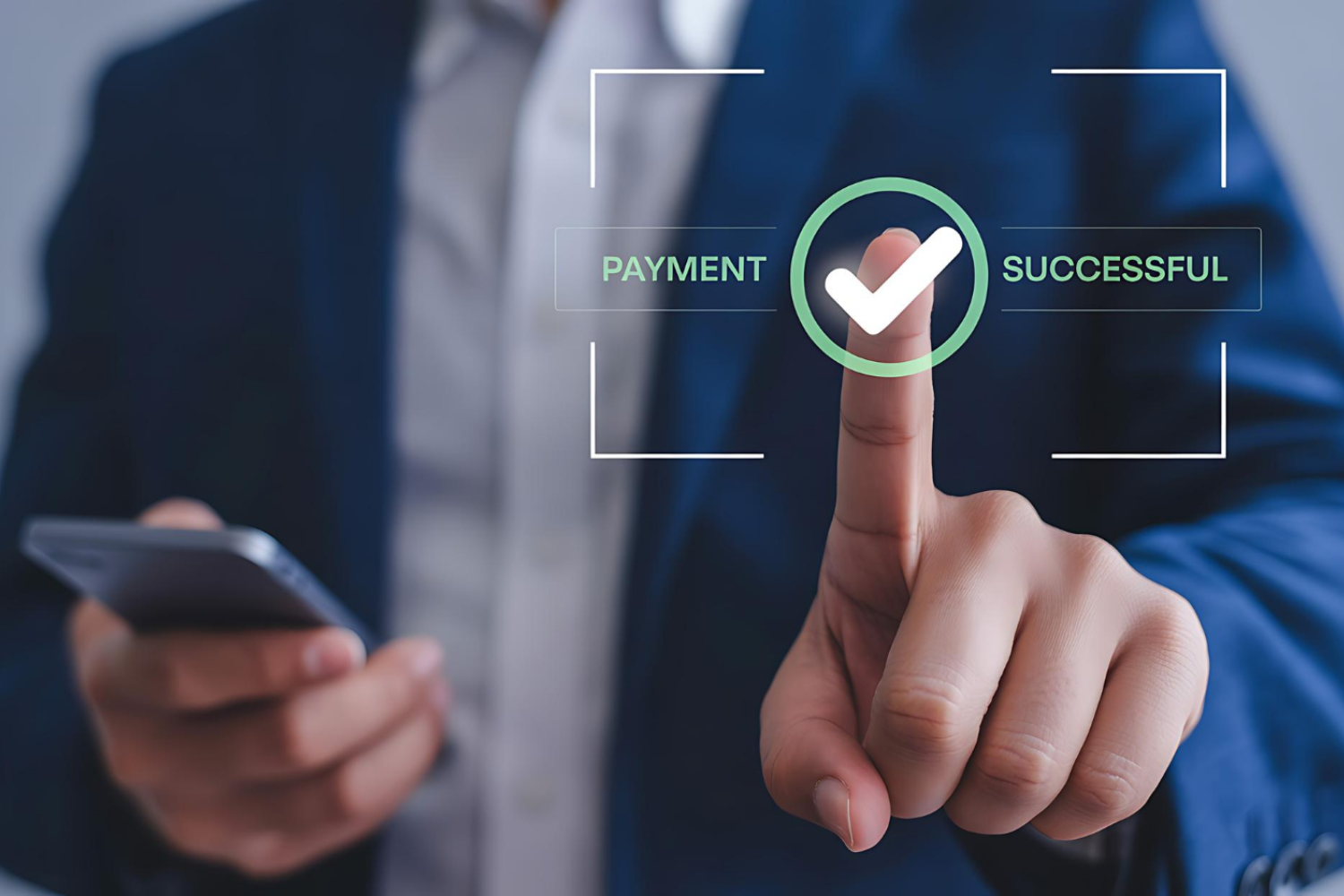
4Fare logic is applied
The system checks the approved passenger profile and applies the correct fare rule, pass rule, or operator configuration.
 5
5The passenger receives confirmation
After access or boarding, the passenger receives a digital receipt or access confirmation in the app.
Passenger benefits
Story
A commuter enters the metro during rush hour. Instead of searching for a transport card or waiting at the gate, the commuter walks toward the approved lane. Facinos verifies access, charges the correct fare, opens the gate, and saves a digital receipt instantly.
OPERATIONS
Facinos is not just a passenger tool. It is also an operational system for transport companies.
Transport operators connect approved access points, define boarding or entry logic, monitor activity, and review approvals, receipts, device health, and usage across routes, stations, or fleets.

Operators can connect metro gates, bus boarding points, tram access lanes, ferry terminals, airport shuttle lanes, or other approved transport entry points.

Support standard fares, route-based fares, passes, student access, tourist passes, time-based use, discounted access, or special mobility programs.

Track approvals, failed entries, boarding activity, device status, route visibility, and digital receipt records from one workspace.

When access fails or a device is unavailable, staff can follow a defined fallback process instead of leaving travelers blocked.

Facinos helps reduce gate friction, improve boarding speed, and reduce dependency on physical tickets.

Every approved access action can create a visible record for passenger confirmation and operator review.
CITY & AUTHORITY
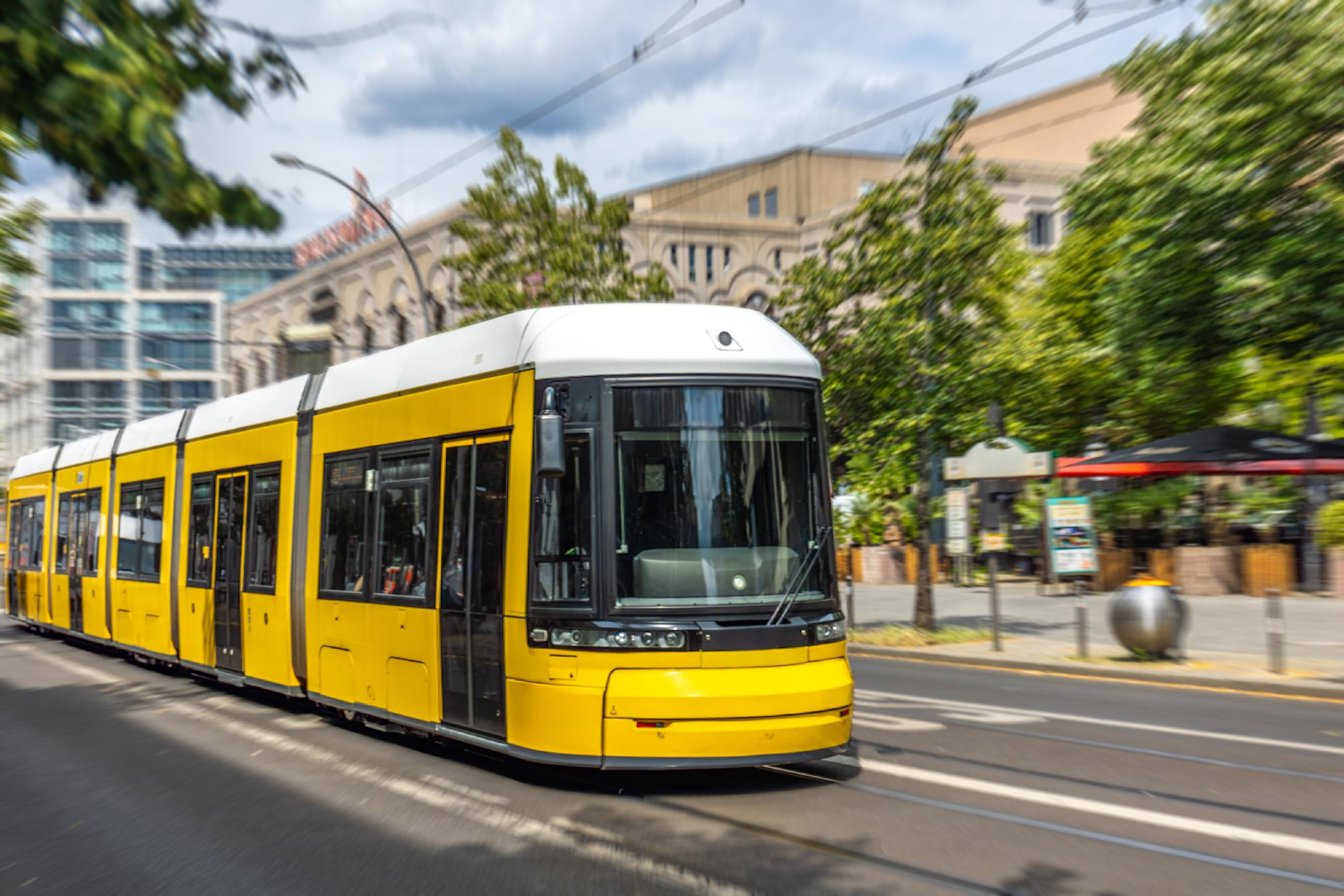
Facinos can support smarter public mobility, smoother passenger movement, and more visible transport operations.
Reduce congestion at key access points
Peak-hour lines at gates, stations, and boarding points can be reduced when passengers move faster through approved lanes.
Support modern urban mobility
Facinos can support metro, buses, trams, ferries, airport shuttles, and special mobility services as part of a wider transport ecosystem.
Improve service clarity
Digital receipts, access records, and operational dashboards improve transparency for both operators and passengers.
Support tourism and occasional riders
Visitors and occasional travelers often struggle with local ticket systems. Facinos can simplify access when transport use is enabled.
Enable better operational visibility
Transport managers can see device health, approvals, usage patterns, and alerts from one place.
Keep user control in place
Facinos should always remain optional, consent-based, and visible to the user.
ENVIRONMENTS
One approval model can support multiple transport environments.
Passengers pass through approved station gates after Facinos approval.
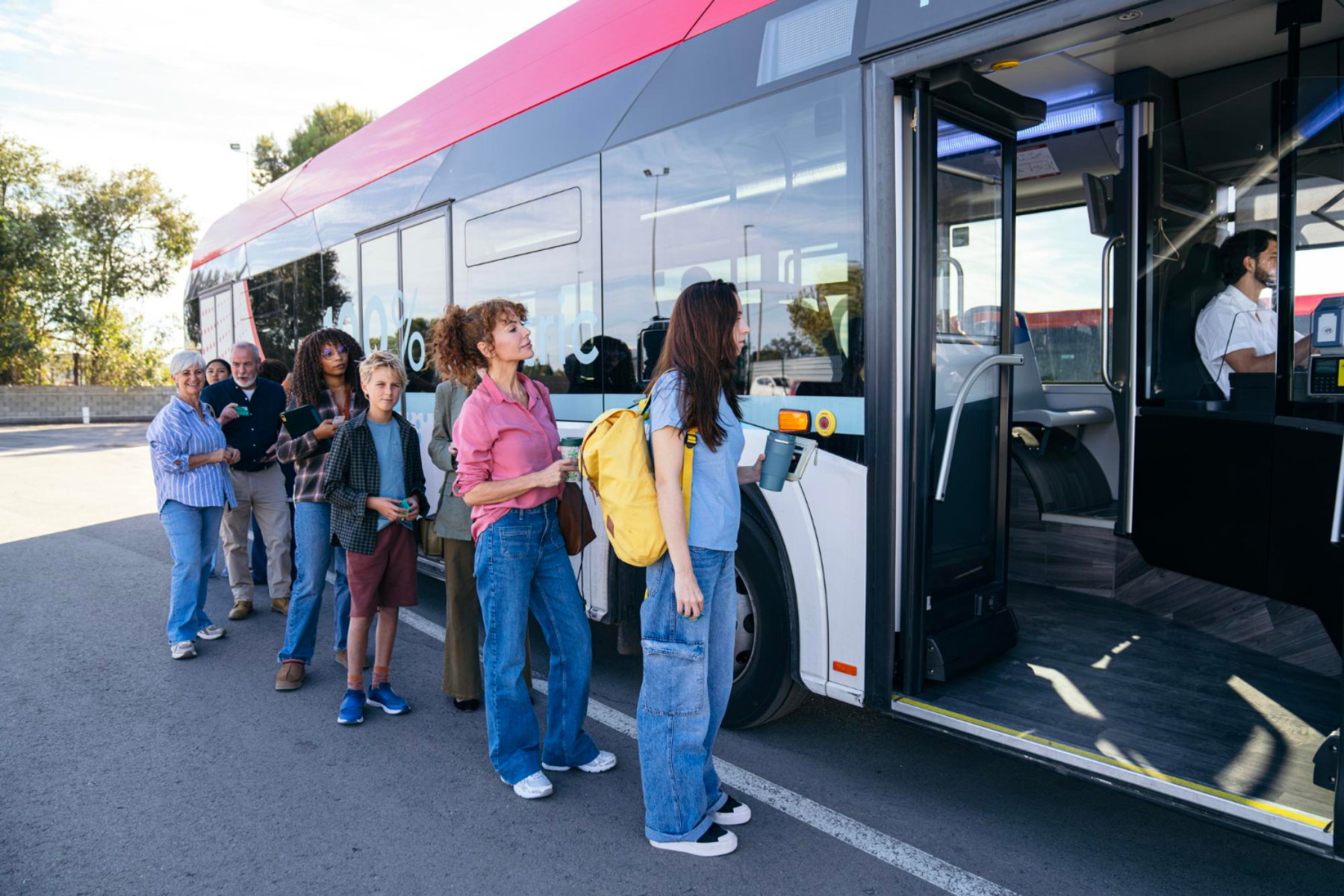
Riders board buses or shuttles without buying paper tickets or tapping cards.

Travelers use Facinos for fast shuttle boarding between terminals, hotels, and city points.

Operators can support face-approved access rules for tram journeys and linked transport zones.

Passengers board ferries through approved Facinos entry points.

Visitors use one approved profile for short-term city mobility.

Schools or transport operators support approved student travel programs.

Approved access can be used for closed transport systems, corporate shuttles, or controlled fleet operations.
FARE & RECEIPTS
Facinos is not only about opening a gate. It also supports the logic behind transport approval.
The system can apply approved fare rules based on route, transport type, rider category, mobility plan, or operator-defined logic.
Access is approved only after the required passenger status, Facinos permissions, and transport conditions are successfully checked.
After each successful transport action, the passenger can receive a clear digital fare receipt or access confirmation.
Supported transport logic
Receipt sample labels

TRUST
Transport approval must be simple for riders and reliable for operators.
Facinos should only work where passengers approve it. Users can enable transport access, receive fare receipts, disable Facinos anytime, and use alternative transport payment methods where supported.
User approval first
Transport use should activate only after the passenger enables Facinos and approves its use.
Transport permission control
Passengers can decide where Facinos works, such as metro only, buses only, or selected operators only.
Digital fare receipts
Every transport action can generate a digital record for visibility and confirmation.
Fallback payment options
When supported, riders can still use alternative methods if Facinos is unavailable or disabled.
Operational fallback flow
Transport staff can follow a clear fallback process when access fails, permissions are missing, or a device is offline.
Device health visibility
Operators can monitor gates, cameras, terminals, and connected boarding points.
LIVE WORKSPACE
Transport teams need a live workspace, not just a payment feature.

Facinos Transport
Metro City Operations
Today’s Approvals
18,420
Entries
42,810
Active Devices
184
Success Rate
98.7%
Recent activity
Device health
Operators can review entries, device health, boarding activity, fare status, and transport access records from one shared workspace.
DEPLOYMENT
Start with a pilot corridor: connect a focused set of gates or vehicles, configure fare rules with your operations team, train staff on fallback flows, and validate receipts with riders. Expand station groups, routes, and modes once metrics and device health meet your governance bar.
OUTCOMES
Facinos helps transport operators modernize access without losing control.
PERSPECTIVES
Facinos must work in the real world for riders, operators, and city stakeholders.
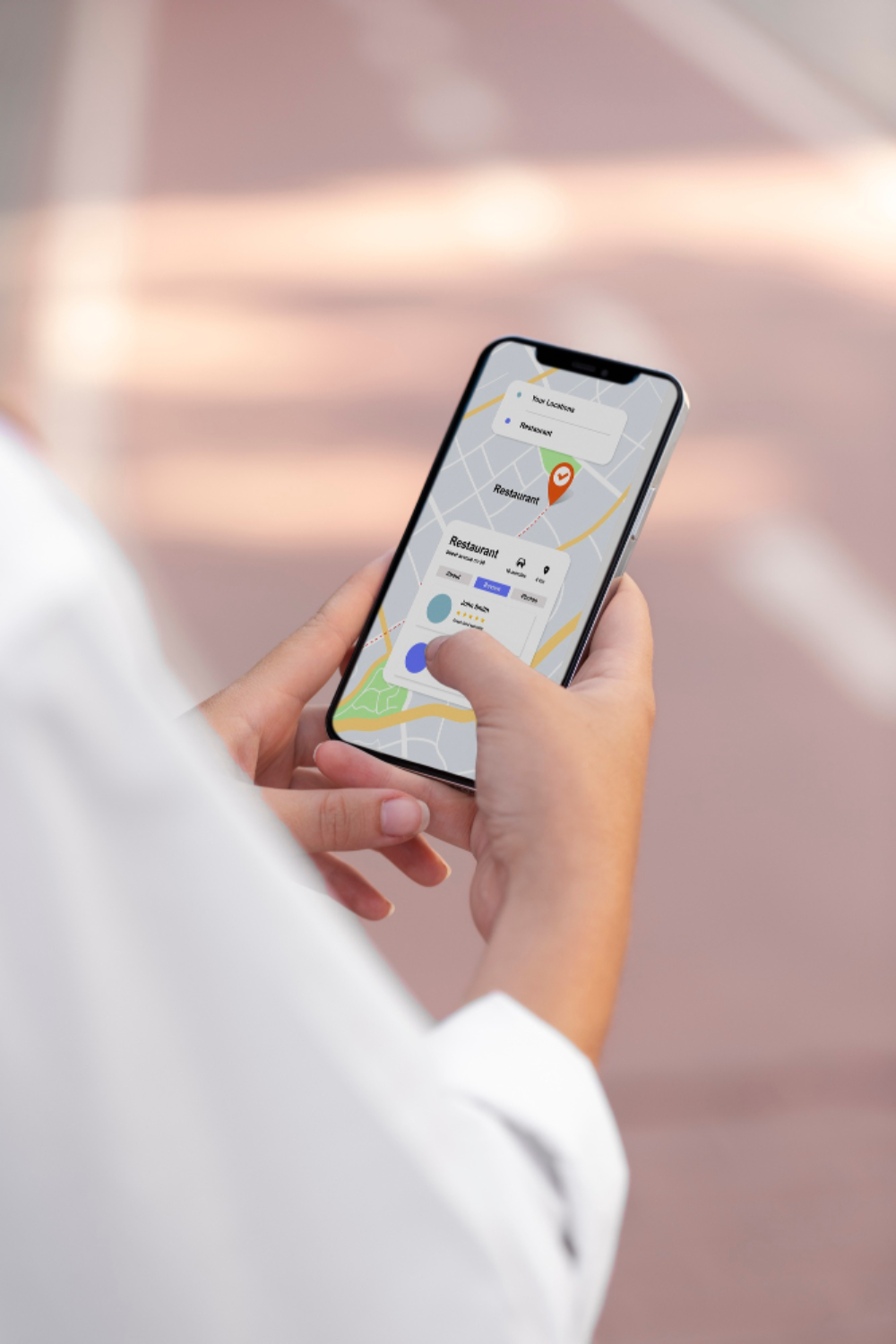
The passenger wants a simple journey. They want to enter quickly, avoid ticket friction, receive clear confirmation, and stay in control of how Facinos is used.

The transport operator needs visible approvals, working devices, smoother boarding, operational clarity, and a fallback process when something goes wrong.

The city or transport authority wants modern access, reduced congestion, better mobility support, transparent records, and a system that remains consent-based and operationally accountable.
FAQ
Can Facinos work for metro only?
Yes. Transport permissions can be limited to metro only, or extended to other approved transport services.
Can operators use Facinos across buses, trams, and shuttles?
Yes. Facinos can support multiple transport environments depending on the operator setup and approved access points.
What does the passenger receive after boarding or entry?
The passenger can receive a digital fare receipt or access confirmation showing the action and status.
Can transport companies use different fare rules?
Yes. Operators can support different fare or access logic depending on routes, rider categories, passes, and approved policies.
What happens when Facinos access fails?
Operators and staff should have a fallback process so passengers are not left without a path forward.
Is Facinos mandatory for passengers?
No. Facinos should always be optional and user-controlled.
Can cities use this for tourists and occasional riders?
Yes. Facinos can simplify access for short-term riders who may not want to learn a local ticketing system.
Start with one operator, one route, one station group, or one pilot environment — then expand into a broader transport access network.